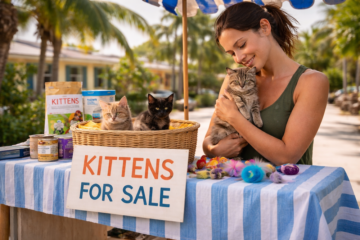
Selling kittens or cats in Florida comes with its own unique considerations. The state’s warm climate, high mobility, and mix of permanent and seasonal residents mean buyers may have different expectations than in other regions.
Whether you’re placing a litter or rehoming a cat due to changing circumstances, your responsibility extends beyond simply finding a buyer. Proper health care, clear communication, and thoughtful screening help ensure kittens transition into stable and suitable homes.
Consider Florida’s Climate and Health Factors
Florida’s year-round warmth increases the importance of parasite prevention. Fleas, ticks, and heartworm risk are ongoing concerns, and buyers will often expect evidence of preventative care.
Before listing kittens, ensure they have received appropriate veterinary attention. Be clear about vaccination schedules and whether any treatments are still pending.
Transparency around health is essential in a humid climate where prevention matters.
Prepare a Practical and Detailed Listing
Florida buyers may range from retirees and families to seasonal residents relocating temporarily. Your listing should clearly explain:
-
The kitten’s age and breed or mix
-
Socialisation and handling level
-
Indoor vs outdoor exposure
-
Current diet and litter habits
Avoid vague descriptions. Practical details build confidence and reduce unnecessary enquiries.
Screen for Lifestyle Compatibility
Florida living often includes open patios, pool areas, and outdoor access. Confirm that potential buyers plan to keep kittens safe in these environments.
Ask whether the cat will be indoor-only or allowed outdoors. In many parts of Florida, indoor living is safer due to traffic and wildlife.
Matching lifestyle expectations with the kitten’s needs prevents future problems.
Arrange Safe and Calm Meetings
Meet in a secure, shaded location, especially during warmer months. Ensure kittens are not exposed to heat for extended periods.
Allow the buyer to interact gently and ask questions. Observe how they handle the kitten and whether they appear prepared for responsibility.
Avoid rushed exchanges, particularly in busy or public areas.
Clarify Terms and Documentation
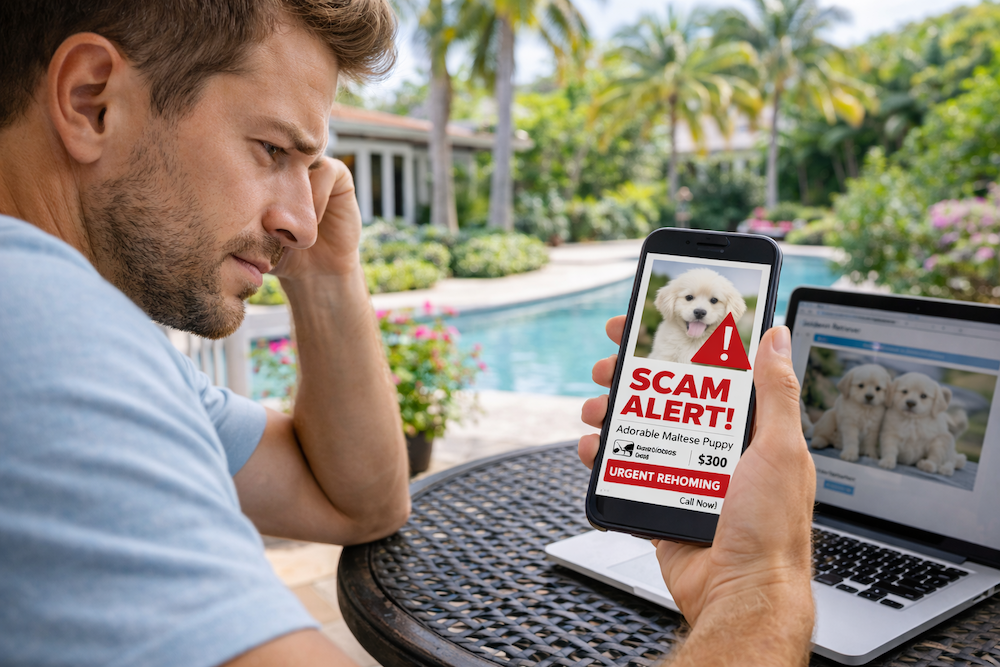
Agree on any rehoming fee clearly in advance. Avoid unusual payment requests or last-minute changes.
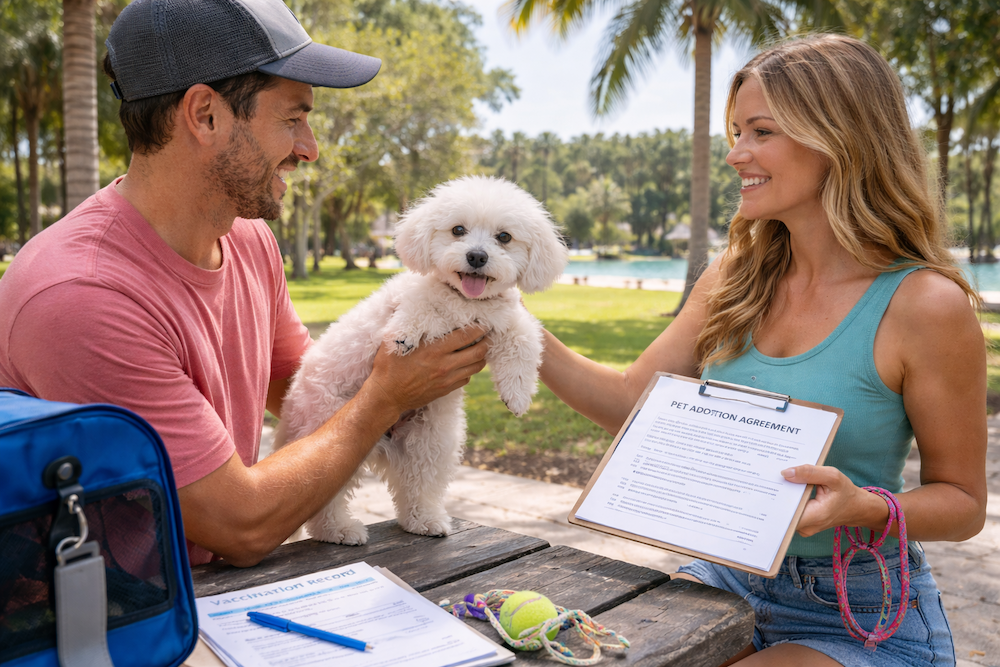
Provide vaccination records and written confirmation of the transfer. If the kitten is microchipped, ensure ownership details are updated.
Clear documentation protects everyone involved.
Support a Smooth Transition
Kittens can be sensitive to environmental change. Encourage new owners to prepare a quiet indoor space with litter, bedding, and food ready before arrival.
Share feeding schedules and routine details to ease adjustment. Small steps reduce stress and increase the likelihood of long-term success.
Final Thoughts
Selling kittens or cats in Florida requires careful attention to health, climate, and lifestyle suitability. By prioritising preventative care, screening thoughtfully, and handling the transfer responsibly, you create safer and more stable placements.
A structured approach protects both the kitten and your reputation.
Ready to list kittens or cats in Florida?
Create a responsible listing and connect with buyers across Florida.
👉 https://petsalesflorida.com/