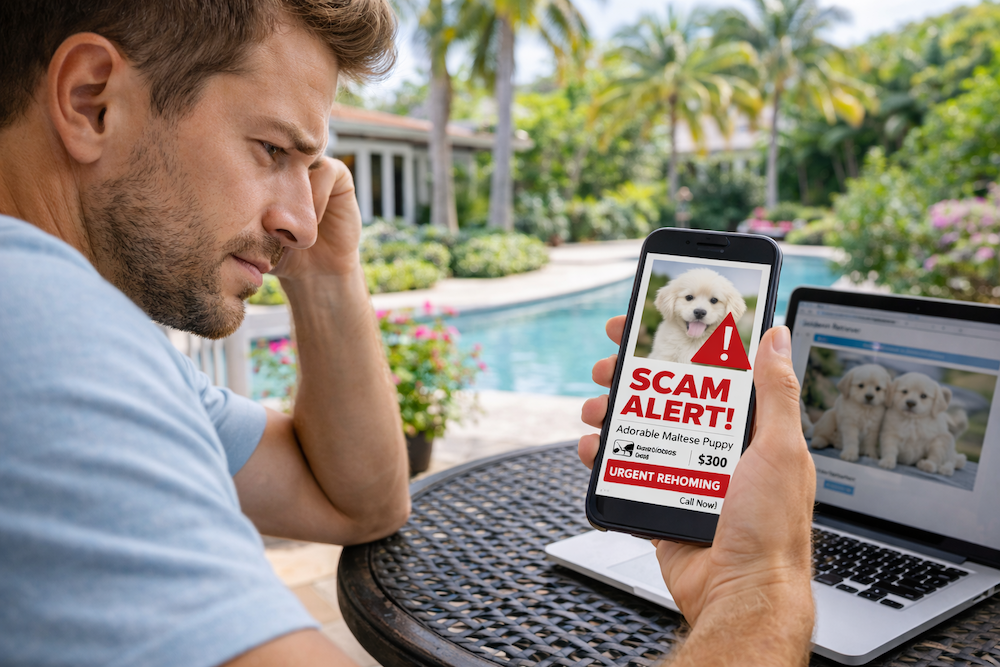
How to Avoid Pet Scams in Florida
Pet scams in Florida often look convincing at first glance. With year-round demand for puppies and other pets — particularly in coastal communities and fast-growing suburban areas — scammers know buyers are actively searching online.
Unlike traditional fraud, pet scams rely heavily on emotion. A cute photo, a limited-time story, or a claim of urgent relocation can push buyers into fast decisions. Understanding how these scams operate in Florida specifically can help you avoid costly mistakes.
Why Florida Buyers Are Targeted
Florida’s warm climate and growing population mean pets are in constant demand. Many people relocate to the state and look for pets soon after moving, making online marketplaces a common starting point.
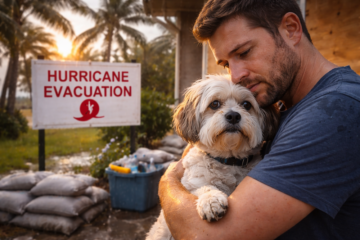
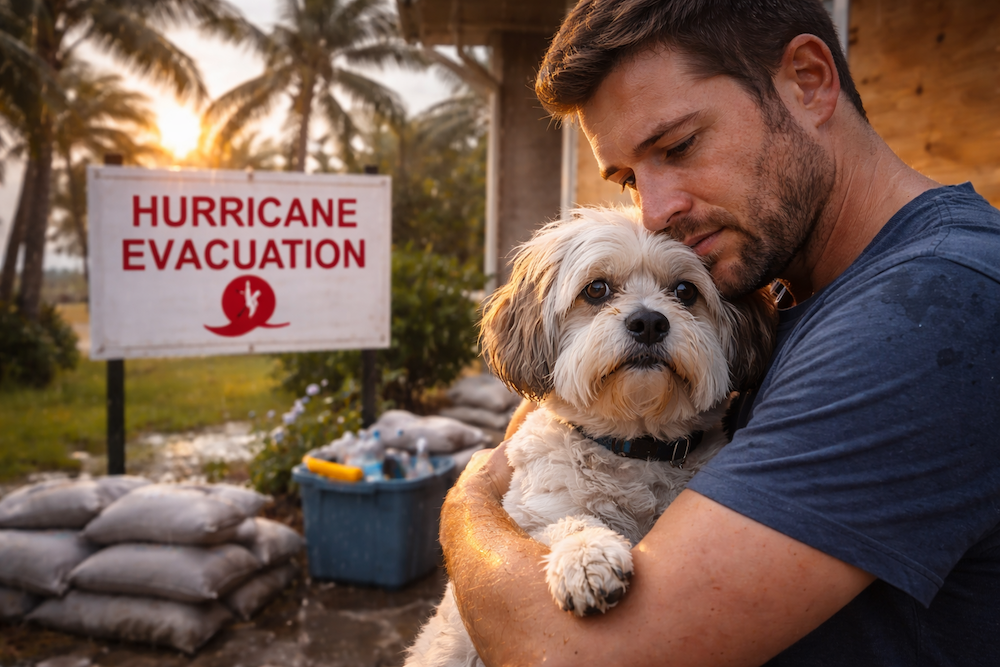
Scammers often pretend to be located in smaller towns or claim they are temporarily out of state due to work or weather-related relocation. Hurricanes and storm season are sometimes used as part of fabricated backstories to explain urgency.
High turnover and frequent interstate movement create opportunities for fraudsters to invent believable scenarios.
Be Wary of “Too Convenient” Listings
If a listing seems unusually easy — low price, immediate availability, and delivery included — pause before proceeding.
Fraudulent sellers often claim they can arrange fast transport anywhere in Florida. They may provide fake shipping invoices or request extra fees for climate-controlled crates, insurance, or emergency boarding.
Legitimate sellers are transparent about location and rarely rely solely on third-party shipping arrangements without verification.
Always Confirm the Pet’s Physical Location
One of the simplest ways to reduce risk is to confirm where the pet is actually located. Ask for a live video call that shows the pet in its environment, not just close-up footage.
Request something specific during the call — such as showing today’s date written on paper — to ensure the video is current and not pre-recorded.
If a seller avoids live interaction or gives repeated excuses, reconsider moving forward.
Examine Communication Patterns Carefully
Scammers often communicate in scripted, repetitive messages. Responses may avoid answering direct questions about health history, parent animals, or exact location.
Be cautious of overly formal language, inconsistent contact details, or email addresses that do not match the seller’s claimed identity.
Trustworthy sellers tend to communicate clearly, answer practical questions, and remain consistent in their details.
Protect Your Payments
Never send money through gift cards, wire transfers, or anonymous digital payment methods. These payment types are difficult — and often impossible — to recover.
If a deposit is requested, ensure it follows meaningful verification steps first. Avoid full payment before meeting or confirming legitimacy.
A responsible transaction should feel transparent, not rushed.
Watch for Environmental Inconsistencies
Photos can reveal clues. For example, if a seller claims to be located in Florida but images show snowy backgrounds or unfamiliar license plates, question the authenticity.
Small inconsistencies in location details can signal copied or stolen content.
Report and Share Information
If you encounter a suspicious listing, report it to the platform immediately. Sharing concerns helps protect other buyers and discourages repeat fraud attempts.
The more buyers remain vigilant, the less profitable pet scams become.
Final Thoughts
Avoiding pet scams in Florida requires patience and careful verification. By confirming location, observing communication patterns, and protecting your payment methods, you significantly reduce your risk.
A cautious approach not only protects your finances but also ensures you are supporting legitimate, responsible pet sellers.
Looking for pets in Florida?
Browse listings across Florida and connect with sellers committed to responsible rehoming.